
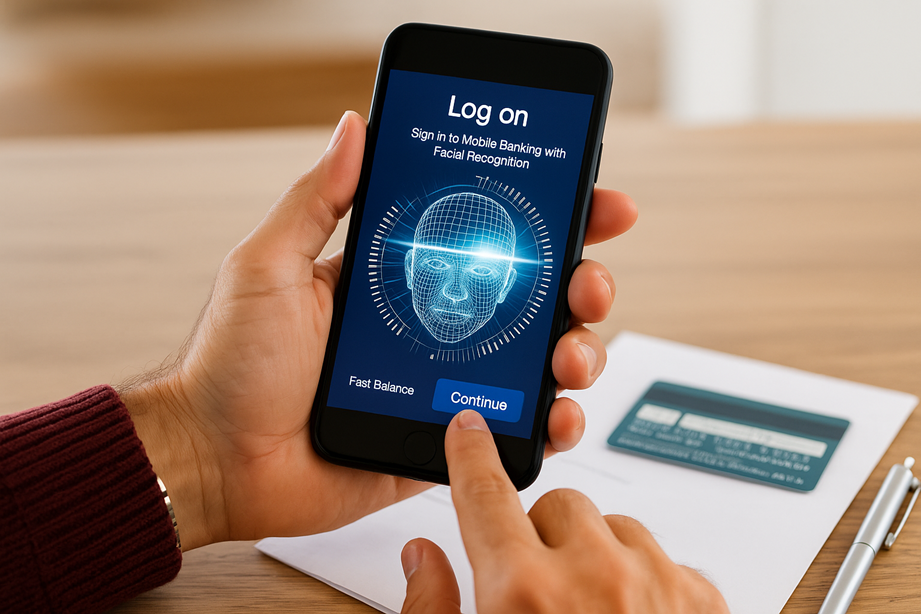
Because SMEs often inadequately protect their mobile devices, these endpoints increasingly become entry points for attacks. Comprehensive security concepts are essential to minimize risks such as data loss and reputational damage. AI further intensifies the threat landscape, making mobile security increasingly complex and fast-moving.
Digital transformation and the shift toward remote work have fundamentally reshaped enterprise IT environments. Smartphones, tablets, and laptops have long become indispensable tools
for employees working from home or on the go. Yet this very flexibility introduces considerable risks: mobile devices are increasingly serving as gateways for cybercriminals, and many companies
underestimate the threat or implement only inadequate security measures.
A Preferred Target for Attackers
Today, mobile devices are essential to many business processes. They are frequently used for both business and personal purposes, which significantly expands the attack surface. Cybercriminals have recognized that smartphones and tablets are often less protected than traditional PCs or servers. In addition, users tend to act more carelessly in a mobile context—such as by using unsecured Wi-Fi networks, installing apps from untrusted sources, or opening phishing messages. The most common attack vectors targeting mobile devices include phishing attacks via email, SMS, or messaging apps; malware (ransomware, spyware); the exploitation of operating system or application vulnerabilities; man-in-the-middle attacks on unsecured networks; and the loss or theft of devices containing sensitive corporate data.
Many companies have established comprehensive protection concepts for their stationary IT infrastructure—ranging from firewalls and antivirus software to backup strategies. In contrast, mobile devices often receive only rudimentary protection. While standard measures such as Mobile Device Management (MDM) provide baseline security, they are insufficient against modern threats such as targeted phishing attacks, advanced malware, or network-based attacks.
Another critical issue is the lack of expertise and defined processes for handling mobile security incidents. While detailed playbooks and trained
support teams typically exist for laptops and PCs, comparable resources are often lacking for smartphones and tablets.
Security Measures
The most important security measures for enterprises can be brought together in a holistic framework that combines technical and organizational aspects. Mobile Device Management (MDM) plays a central role by enabling the administration, inventorying, and configuration of all mobile devices. It allows organizations to enforce security policies such as mandatory PIN codes or biometric authentication, operating system version requirements, app blacklisting, and device encryption. The ability to remotely lock or wipe devices in the event of loss or theft is equally critical. However, this baseline protection is no longer sufficient against modern threats, as MDM solutions alone cannot detect or defend against targeted attacks like phishing, malware, or network compromises. This makes the deployment of dedicated Mobile Threat Defense (MTD) solutions essential. MTD enhances MDM with advanced capabilities by continuously monitoring app behavior, network connections, and device health. Threats such as phishing messages, malware, or hidden jailbreaks are detected early and blocked automatically. Compromised devices can be isolated, and the IT department is notified immediately. When selecting an MTD solution, it is advisable to partner with specialized vendors that focus exclusively on mobile device security and continuously develop their solutions. Application management is also critical: organizations must ensure that only trusted applications from official app stores can be installed, while preventing sideloading from unverified sources. Whitelists can also be configured via MDM to specify precisely which apps are permitted on corporate devices. Network security represents another vital component: access to corporate resources should take place exclusively over secure connections such as VPNs. Unsecured Wi-Fi networks must be avoided, and legacy cellular standards like 2G should be disabled where feasible. In addition, deploying Secure Web Gateways is recommended to filter and monitor web traffic.
Non-Technical Measures
Alongside technical controls, employee awareness is a key factor. Regular education and security awareness training help raise awareness of mobile threats, foster safe device and data handling practices, and improve the detection of phishing attempts. Clear policies and communication channels for reporting security incidents must be established and communicated to all staff. Furthermore, effective incident management is indispensable. Organizations should develop incident response playbooks for mobile devices that establish clear procedures, responsibilities, and roles, ensuring rapid and targeted responses during an emergency. Support teams must be specifically trained on mobile platforms to remediate and restore compromised devices just as efficiently as traditional endpoints. Regular audits and compliance reviews ensure that adherence to security policies is monitored and corrective actions are taken promptly when deviations occur. Only such a multilayered approach ensures that organizations can reap the benefits of mobile work without exposing their data and business operations to unnecessary risks.
Emerging Threats
The rise of AI-driven attack vectors is intensifying the threat landscape even further. Phishing messages are becoming deceptively realistic, malware adapts dynamically, and adversaries leverage automated tools to exploit vulnerabilities more rapidly. Defenders are also increasingly relying on AI and machine learning to detect anomalies and respond faster—yet the cyber arms race is in full swing.
For this reason, companies must continuously adapt their security strategies rather than relying on one-off measures. Integrating specialized MTD solutions, ensuring continuous monitoring by experienced specialists (internal or external), and regularly updating playbooks to counter new threats are essential steps.
Conclusion
The risks posed by inadequately protected mobile devices are substantial—spanning data breaches, operational downtime, and severe reputational damage. Companies must treat mobile devices as an integral part of their IT infrastructure and provide them with the same level of protection as laptops, PCs, and servers. This requires dedicated investment in technology, robust processes, and, above all, continuous employee awareness.
Published in KMU-Magazin 6/2025 on June 26, 2025
Full Article with Author Details as PDF
In addition to this article, we recommend reviewing the latest security advisories from the National Cybersecurity Centre (NCSC) to identify threats early.